When Pushing Harder Backfires: The Surprising Link Between Overtraining and Erectile Dysfunction
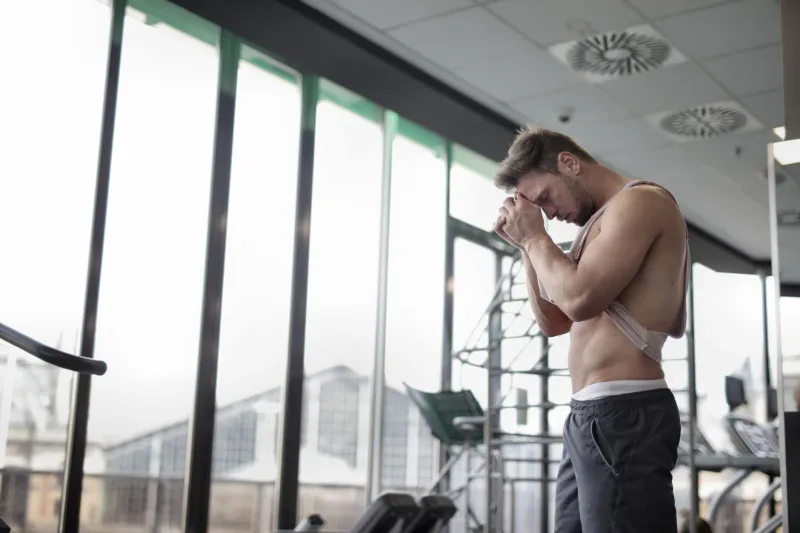
For many American men, the gym represents discipline, ambition, and control. Five or six days a week, early mornings or late evenings, the commitment to physical excellence feels inseparable from the commitment to being healthy in every dimension of life. Yet a counterintuitive pattern has emerged in clinical and sports medicine research: men who train with the greatest intensity are not always the men with the best sexual health. In fact, some of them are quietly struggling with erectile dysfunction—and their workout program may be a contributing factor.
This is not an argument against exercise. Moderate, consistent physical activity remains one of the most evidence-supported lifestyle interventions for improving erectile function. The nuance lies in understanding what "moderate" actually means, and why crossing into overtraining territory can shift exercise from a therapeutic asset into a physiological liability.
The Hormonal Cost of Relentless Training
When the body undergoes intense physical stress—whether from a heavy lifting session, a long-distance run, or back-to-back high-intensity interval workouts—it responds by releasing cortisol, the primary stress hormone. In short bursts, cortisol is adaptive. It mobilizes energy, suppresses inflammation acutely, and helps the body manage acute demand.
The problem arises when training volume and intensity consistently outpace the body's capacity to recover. Under those conditions, cortisol levels remain chronically elevated. And chronically elevated cortisol has a direct, well-documented antagonistic relationship with testosterone.
Testosterone is the primary androgen responsible for regulating libido, sustaining the neurological and vascular mechanisms behind erections, and maintaining the psychological motivation that underpins sexual desire. When cortisol suppresses testosterone production over weeks or months, men may notice a gradual but unmistakable decline in sexual interest and erectile reliability—even as their bench press numbers continue to climb.
This hormonal interplay is sometimes called the cortisol-testosterone seesaw. It does not require an extreme case of overtraining syndrome to manifest. Consistent underrecovery—training hard without adequate sleep, nutrition, or rest days—is sufficient to tip the balance in the wrong direction.
Overtraining Syndrome and Its Sexual Health Consequences
Overtraining syndrome (OTS) is a recognized clinical condition characterized by persistent fatigue, declining performance despite continued training, mood disturbances, and disrupted sleep. What is less frequently discussed in mainstream fitness culture is that sexual dysfunction is among its documented symptoms.
Men experiencing OTS often report reduced libido and difficulties achieving or maintaining erections. These symptoms are not coincidental. The same neuroendocrine dysregulation that impairs athletic recovery also disrupts the hypothalamic-pituitary-gonadal axis—the hormonal communication network that governs testosterone production. Elevated inflammatory markers, impaired autonomic nervous system function, and disrupted sleep architecture all compound the effect, creating conditions that are genuinely hostile to healthy erectile function.
For men who have attributed their ED to stress, age, or relationship dynamics, it may be worth examining whether their training load is a silent contributor.
What the Research Actually Says About Exercise and ED
The clinical literature on exercise and erectile dysfunction is generally encouraging—but the specifics matter considerably. Studies consistently show that moderate aerobic exercise, performed three to five times per week at moderate intensity, improves endothelial function, enhances nitric oxide bioavailability, reduces cardiovascular risk factors, and correlates with meaningful improvements in erectile function scores.
The mechanisms are well understood. Nitric oxide is the molecular signal that triggers smooth muscle relaxation in penile vasculature, allowing the increased blood flow that produces an erection. Aerobic exercise supports nitric oxide production and vascular health in ways that directly benefit erectile physiology.
However, the research on extreme endurance training and very high-volume resistance training tells a more complicated story. Several studies have observed suppressed testosterone levels in men engaged in excessive endurance training, particularly when caloric intake is insufficient to match energy expenditure. High-mileage runners and competitive cyclists, for instance, have been found in some studies to have lower testosterone levels than sedentary controls—a finding that challenges the intuitive assumption that more exercise always means better hormonal health.
The takeaway is not that men should avoid vigorous activity, but that training should be calibrated to support recovery rather than perpetually exceed it.
Finding the Zone That Supports Both Fitness and Sexual Health
Practical programming for men who want to optimize both physical fitness and erectile health does not require abandoning intensity. It requires structuring intensity intelligently.
Prioritize recovery as seriously as training. Rest days are not signs of weakness; they are physiologically necessary. The adaptations from exercise—including the hormonal and vascular adaptations that benefit erectile function—occur during recovery, not during the workout itself. Building two to three genuine rest or active recovery days into each week is a foundational principle, not optional.
Monitor subjective well-being as a training metric. Persistent fatigue, irritability, disrupted sleep, and declining motivation are not signs that a man needs to train harder. They are warning signals that the recovery deficit is accumulating. Treating these symptoms as data rather than weakness is a meaningful shift in approach.
Emphasize sleep quality and duration. Testosterone secretion is strongly tied to sleep. The majority of daily testosterone production occurs during sleep, particularly during slow-wave and REM stages. Consistently sleeping fewer than seven hours—a common pattern among men who train early in the morning—directly suppresses testosterone levels. Prioritizing sleep may be the single highest-leverage recovery intervention available.
Ensure adequate caloric and protein intake. Underfueling is a common driver of the cortisol-testosterone imbalance in active men. When the body perceives an energy deficit, it prioritizes survival functions over reproductive ones. Eating enough—particularly sufficient dietary fat, which is a precursor to steroid hormone synthesis—is essential for maintaining hormonal health alongside a demanding training schedule.
Consider periodization. Structured variation in training intensity and volume across weeks and months prevents the chronic accumulation of physiological stress. Deload weeks, where training volume is deliberately reduced, allow the body to consolidate adaptations and restore hormonal balance.
When Lifestyle Optimization Is Not Enough
For many men, recalibrating their training and recovery practices will produce noticeable improvements in energy, mood, and sexual function. However, it is important to recognize that lifestyle modification—however well executed—has limits. Erectile dysfunction frequently involves multiple contributing factors, including vascular disease, diabetes, hormonal imbalances, and psychological components that do not resolve through exercise adjustments alone.
Medically supervised treatment with tadalafil or other phosphodiesterase type 5 inhibitors remains the most clinically validated approach for erectile dysfunction, and it is not mutually exclusive with lifestyle optimization. In fact, the two approaches are complementary. A man who addresses his overtraining while also accessing appropriate medical treatment is positioned to benefit from both simultaneously.
At CialiSun, discreet access to licensed medical consultation and prescription ED medications is available without the logistical barriers that prevent many men from seeking care. A structured, physician-reviewed treatment plan can work alongside—not instead of—the lifestyle improvements a man is already committed to making.
The Balanced Equation
The gym should be an ally in sexual health, not an adversary. The distinction between those two outcomes is largely a matter of how training is structured, recovered from, and interpreted. Men who train intelligently—with attention to recovery, sleep, nutrition, and the signals their bodies are sending—can enjoy the cardiovascular, hormonal, and psychological benefits of exercise in ways that genuinely support erectile health.
Pushing harder is not always the answer. Sometimes, the most productive thing a man can do for his sexual performance is rest.