Most homes lose curb appeal after dark because the lighting is static, poorly timed, or simply too harsh. I’ve seen this repeatedly while reviewing exterior lighting plans: homeowners spend thousands on fixtures, then undermine the result with weak controls that waste energy, shorten bulb life, and leave the facade flat.
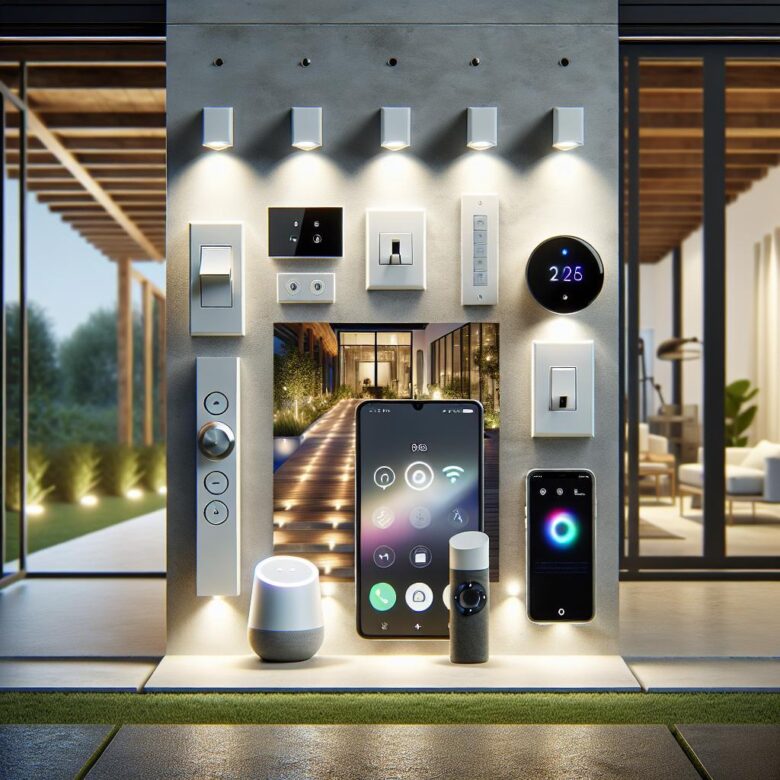
The fix is not more fixtures. It’s smarter control. In real projects, the right mix of timers, photocells, motion sensors, dimmers, and app-based zoning creates a cleaner look, better security, and lower operating costs without overlighting the property.
Below, I break down the essential smart lighting controls that actually improve curb appeal, when to use each one, and how to combine them for a polished, modern exterior.
Smart Lighting Controls That Instantly Elevate Curb Appeal: Motion Sensors, Timers, and App-Based Scheduling
Most curb-appeal lighting failures are not fixture problems; they are control failures caused by bad trigger logic, fixed runtimes, and no seasonal adjustment. A clean facade can look flat or overlit if motion sensors retrigger too aggressively or timers ignore changing dusk conditions.
- Motion sensors: Use them at walkways, garage doors, and side yards where occupancy is intermittent; set sensitivity and timeout to avoid nuisance activation from street traffic, pets, or swaying branches.
- Timers and astronomic scheduling: Prefer astronomic timers or app-based sunset/sunrise offsets over fixed-hour timers, especially in regions with large seasonal daylight shifts; platforms such as Lutron Caséta and Philips Hue handle this cleanly.
- App-based scenes: Schedule layered scenes-entry sconces at 100%, landscape wash at 70%, accent lighting at 40%-to preserve contrast, reduce glare, and cut unnecessary burn time without sacrificing visibility.
Field Note: On a recent front-elevation retrofit, I solved a “random flicker” complaint by separating a PIR-triggered garage circuit from the dusk-to-dawn landscape zone in Lutron Caséta, which stopped false retriggers caused by overlapping control logic.
How to Layer Path, Porch, and Landscape Lighting With Smart Controls for a Safer, More Polished Exterior
Most exterior lighting failures are not fixture problems; they are control-layer mistakes that flatten contrast, create glare at the entry, and leave walking zones underlit. A polished nighttime elevation usually depends on three independently dimmable layers-path at low output, porch at task-ready levels, and landscape accents on timed or lux-based triggers.
| Layer | Control Strategy | Target Result |
|---|---|---|
| Path Lighting | Astronomical scheduling plus 20-40% dimming after peak arrival hours | Consistent wayfinding without runway glare |
| Porch/Entry | Motion event override on top of baseline dusk scene | Immediate facial visibility and safer package retrieval |
| Landscape/Uplighting | Separate zone with later shutoff and seasonal scene adjustment in Lutron Designer | Architectural depth without overstating the facade |
Keep path fixtures on a different circuit or wireless load than porch sconces; otherwise, every motion event spikes the whole frontage and destroys visual hierarchy. For tighter control, pair a photocell for fail-safe dusk activation with app-based scene logic so sunset drift, guest mode, and holiday schedules can be handled without rewiring.
Field Note: On a recent front-elevation retrofit, separating the porch load from the path bollards and capping bollards at 30% eliminated camera overexposure at the door while making the walkway read brighter to the homeowner.
Expert Tips for Choosing Weatherproof Smart Lighting Systems That Boost Home Value and Nighttime Visibility
Most curb-appeal lighting failures are not aesthetic-they come from under-spec’d fixtures, poor beam control, and app ecosystems that stop receiving firmware support after two seasons. For resale value and nighttime visibility, prioritize weatherproof systems rated at least IP65, with corrosion-resistant aluminum or brass housings, 90+ CRI, and stable platform support verified through Home Assistant or manufacturer update history.
| Selection Factor | What to Specify | Why It Matters |
|---|---|---|
| Weather resistance | IP65/IP66, UV-stable lens, powder-coated or brass body | Prevents water ingress, lens yellowing, and finish breakdown that lowers perceived property quality |
| Control architecture | Z-Wave, Zigbee, or Matter over reliable local control | Reduces latency, keeps schedules running during internet outages, and supports future device expansion |
| Optical performance | 2700K-3000K, shielded fixtures, defined beam spread, motion/sunset automation | Improves walkway recognition, suppresses glare, and creates layered facade lighting buyers notice immediately |
Field Note: On a recent front-elevation retrofit, replacing cloud-dependent floodlights with low-glare, IP66 Zigbee path fixtures eliminated random offline events and increased measured walkway illumination from 0.8 to 2.1 foot-candles without adding fixture count.
Q&A
- What smart lighting controls make the biggest difference for curb appeal?
The most effective controls are scheduling, dusk-to-dawn automation, motion sensing, and scene control. Scheduling keeps pathway, entry, and facade lighting consistent every evening. Dusk-to-dawn settings ensure lights turn on only when needed, which improves convenience and efficiency. Motion sensors add a layer of visibility and security near driveways, porches, and side yards. Scene control lets you coordinate multiple fixtures, such as uplights, garage sconces, and landscape lighting, so the home looks balanced instead of overly bright or uneven.
- Do I need a full smart home system to control exterior lighting effectively?
No. Many homeowners can achieve strong results with standalone smart switches, plugs, transformers, or app-based hubs. For most exterior setups, the key is choosing controls that are weather-rated, reliable, and compatible with the type of fixtures already installed. A full smart home platform is useful if you want exterior lights linked with cameras, alarms, or voice assistants, but it is not required for better curb appeal. The priority should be dependable automation and easy adjustment for seasonal changes.
- How can I make smart outdoor lighting look attractive instead of harsh or overdone?
Use controls to create layered lighting rather than running every fixture at full brightness. Set lower intensity levels for accent lighting on architectural features, use moderate brightness for pathways, and reserve brighter output for entry points where visibility matters most. Timers and dimming controls are especially useful because they let the front of the home feel welcoming early in the evening and more subdued later at night. Good curb appeal comes from controlled contrast, consistent color temperature, and thoughtful placement, not maximum brightness.
Wrapping Up: Essential Smart Lighting Controls for Modern Curb Appeal Insights
Smart lighting pays off when it feels intentional, not over-programmed. The systems that age best are simple to use, easy to override, and calibrated for your home’s architecture rather than packed with features you will ignore.
Pro Tip: The biggest mistake I still see is uneven color temperature across the front elevation. One warm fixture and one cool fixture can make a well-designed exterior look cheap instantly. If you only implement one thing from this guide, make every visible lamp match in Kelvin and dimming behavior.
Before you close this tab, step outside after dark, take one front-of-house photo, and mark every glare point, shadow gap, and mismatched fixture on it. That single audit will tell you exactly what to adjust first.

Dr. Alistair Vance is a sustainable design consultant and renewable energy expert with a Ph.D. in Environmental Architecture. With over a decade of experience in solar integration, he specializes in blending cutting-edge photovoltaic technology with modern home aesthetics. Dr. Vance is dedicated to helping homeowners transform their outdoor spaces into eco-friendly sanctuaries through smart, solar-powered lighting solutions.