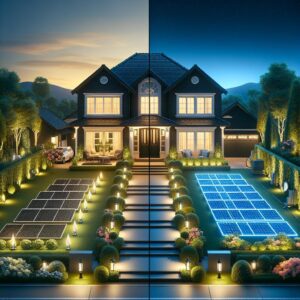
Most properties don’t lose value because of the building-they lose it at the curb after dark. Poor outdoor lighting makes homes look smaller, less secure, and less premium, quietly dragging down buyer perception and weakening offers.
After working with property owners, developers, and listing teams, I’ve seen the same mistake repeat: lighting is treated as decoration instead of a value lever. That oversight can cost real money in slower sales, lower appraisals, and missed tenant appeal.
Below, I break down how strategic outdoor lighting influences perceived value, security, curb appeal, and ROI-so you can identify the upgrades that actually raise marketability and protect investment performance.
How Strategic Outdoor Lighting Increases Property Value: Buyer Psychology, Curb Appeal, and Perceived Security
Outdoor lighting is one of the few exterior upgrades that changes buyer perception before they step out of the car, yet many listings still rely on mismatched fixtures, over-bright floodlights, or dark entry paths that suppress perceived upkeep. Well-planned illumination improves visual hierarchy, extends usable outdoor living space, and signals lower risk at first glance.
| Value Driver | Buyer Psychology Effect | Appraisal/Market Impact |
|---|---|---|
| Curb appeal | Highlights architecture, landscaping, and depth, making the home appear more finished and better maintained | Stronger listing photos, better dusk-showing performance, and improved memorability versus nearby comps |
| Perceived security | Lit entries, walkways, side yards, and rear access reduce anxiety around hidden areas and trip hazards | Supports faster buyer commitment, especially in family-oriented and move-up segments |
| Design consistency | Layered lighting plans modeled in AGi32 avoid glare, scalloping, and uneven color temperature that buyers read as poor-quality work | Positions the property as professionally upgraded rather than cosmetically patched |
Field Note: On a pre-listing consult for a higher-end suburban resale, we replaced 6000K security floods with shielded 2700K pathway and façade lighting, and the seller’s agent reported that evening buyers stopped commenting on “dark corners” and started talking about the patio as an extra entertaining zone.
Best Outdoor Lighting Upgrades for ROI: Where to Illuminate Entryways, Pathways, Landscaping, and Architectural Features
Most exterior lighting plans miss ROI because they over-light facades and under-light the approach sequence buyers experience first. The highest-value upgrades consistently concentrate on the front entry, primary walk path, specimen planting, and one or two architectural focal points rather than blanket illumination.
| Zone | Best Upgrade | ROI Rationale |
|---|---|---|
| Entryways | Layered lighting: door sconces, soffit downlights, and address-number illumination | Improves perceived security, nighttime legibility, and first-impression quality during drive-bys and showings |
| Pathways | Low-glare path fixtures spaced for overlap, not spotlighting | Reduces trip-risk perception and creates a guided visual flow from curb to door |
| Landscaping & Architecture | Selective uplighting on mature trees, columns, stonework, or entry gables modeled in FX Luminaire Luxor | Adds depth, highlights premium materials, and photographs better for listings without the “runway” effect |
Field Note: On a recent listing prep, I cut twelve mis-aimed flood lights down to six properly shielded fixtures, re-aimed two tree uplights to graze the trunk instead of the canopy, and the agent’s first feedback was that the house instantly looked more expensive rather than simply brighter.
Avoiding Costly Lighting Mistakes: Design, Energy Efficiency, and Maintenance Decisions That Influence Real Estate Appraisals
Overlit facades, mismatched color temperatures, and poorly shielded fixtures can depress perceived quality even after a costly exterior upgrade. Appraisers and buyers consistently read glare, hot spots, and dark transition zones as signs of dated design, deferred maintenance, or inefficient operation.
- Design error: Layering floodlights instead of using controlled beam spreads creates uneven luminance and harsh contrast; verify fixture placement and photometrics in AGi32 before installation to avoid washout, spill light, and code issues.
- Energy efficiency miss: Selecting high-wattage fixtures without controls lowers net operating appeal; LED systems paired with astronomical timers, occupancy logic, and dimming schedules show better long-term cost performance and support stronger valuation narratives.
- Maintenance oversight: Corroded housings, lens discoloration, and inconsistent lamp replacements quickly age a property; standardized fixture families, accessible drivers, and documented relamping intervals preserve nighttime uniformity that appraisers notice during exterior inspections.
Field Note: On a multifamily asset re-lighting review, I replaced mixed 3000K and 5000K perimeter fixtures with a single spec family and corrected one mis-aimed pole head, and the owner immediately stopped getting buyer feedback that the property felt “patched together” after dark.
Q&A
1. Does strategic outdoor lighting really increase real estate property value?
Yes, when it is well-designed, outdoor lighting can positively influence property value. It improves curb appeal, highlights architectural features, and creates a stronger first impression for buyers. It also adds a sense of security and usability to outdoor spaces such as patios, walkways, and gardens. While lighting alone does not guarantee a specific price increase, it can make a property more attractive, easier to market, and potentially faster to sell compared with similar homes that appear darker or less inviting.
2. Which types of outdoor lighting add the most value to a property?
The highest-value lighting upgrades are usually the ones that combine aesthetics, safety, and function. Buyers tend to respond best to lighting that feels intentional rather than excessive.
- Path and walkway lighting: Improves safety and makes the entrance feel more welcoming.
- Entry and façade lighting: Enhances curb appeal and draws attention to the home’s best exterior features.
- Landscape accent lighting: Highlights trees, gardens, and hardscaping to create a more upscale appearance.
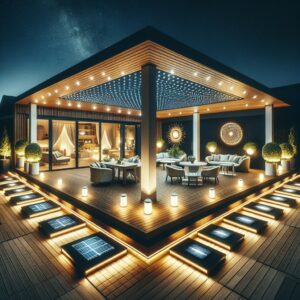
- Patio and deck lighting: Extends the usable living space outdoors, which is especially appealing in entertainment-focused markets.
- Security lighting: Adds peace of mind when integrated carefully without creating harsh glare.
3. What mistakes reduce the return on investment of outdoor lighting?
Poor design choices can limit the value impact. Overly bright fixtures, inconsistent placement, cheap-looking hardware, and mismatched color temperatures can make a property feel less refined. Buyers may also notice higher operating costs if the system is outdated or inefficient. The best results usually come from warm, energy-efficient LED lighting, balanced fixture placement, and a design that complements the home’s architecture and landscape rather than overpowering them.
| Lighting Decision | Potential Effect on Property Value Perception |
|---|---|
| Professional, layered lighting design | Creates a premium look and stronger buyer appeal |
| Well-lit entry and pathways | Improves safety, accessibility, and first impressions |
| Energy-efficient LED system | Supports lower maintenance and operating costs |
| Overly harsh or poorly placed lighting | Can reduce aesthetic quality and make the property feel less inviting |
Expert Verdict on The Impact of Strategic Outdoor Lighting on Real Estate Property Value
Strategic outdoor lighting influences value most when it is planned like an asset, not added like décor. Buyers notice layered, purposeful light immediately, and appraisers increasingly recognize the impact when curb appeal, safety, and usability improve together.
Pro Tip: The biggest mistake I still see is over-lighting the front elevation while ignoring pathways, entries, and dark side yards. That imbalance can make a property feel cheaper, not more premium, and it often raises energy and maintenance costs without adding measurable return.
Before you close this tab, step outside after dark, stand at the curb, and take three photos of your property from the street, walkway, and front door. Mark every shadow, glare point, and unlit transition. That audit will tell you exactly where value is being gained-or lost.

Dr. Alistair Vance is a sustainable design consultant and renewable energy expert with a Ph.D. in Environmental Architecture. With over a decade of experience in solar integration, he specializes in blending cutting-edge photovoltaic technology with modern home aesthetics. Dr. Vance is dedicated to helping homeowners transform their outdoor spaces into eco-friendly sanctuaries through smart, solar-powered lighting solutions.